
How Do Termite Control Services Prevent Future Infestations in Homes?
Understanding the Threat of Termites
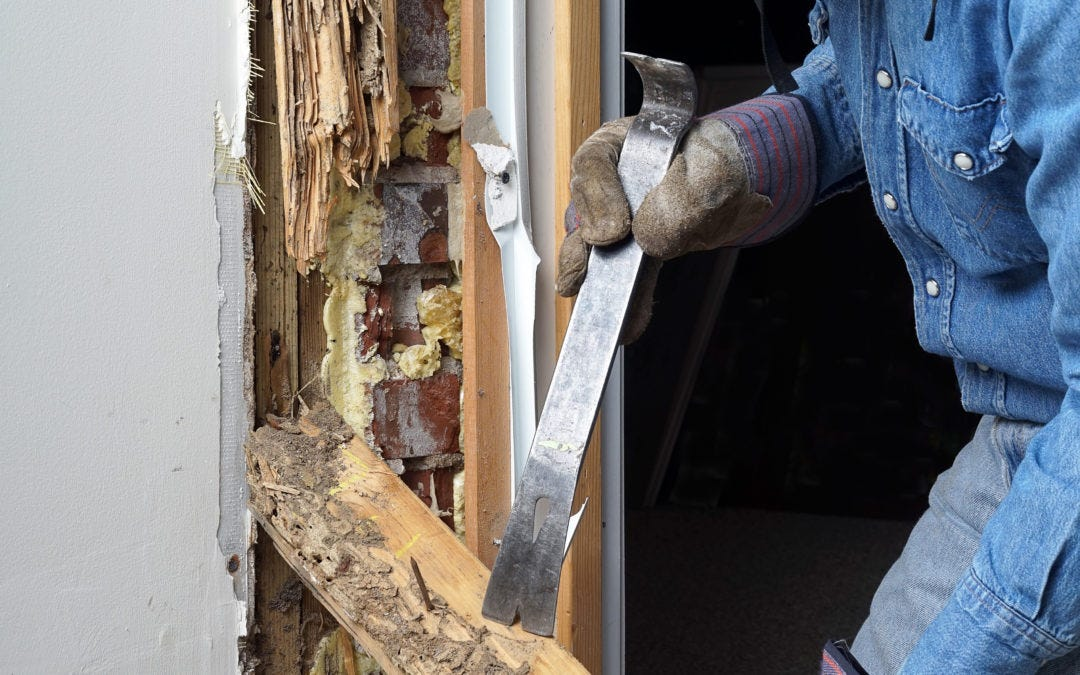
Termites are often described as silent destroyers, and that label is not exaggerated. They quietly feed on cellulose-based materials like wood, compromising the integrity of a home over time. What makes them particularly concerning is not just their appetite, but their ability to remain unnoticed until the damage becomes severe.
Why Termites Are Hard to Detect
Termites don’t announce their presence. They operate behind walls, under flooring, and within wooden structures. Unlike ants or rodents, they rarely emerge into visible spaces. This hidden activity allows infestations to grow undetected for months or even years, making early prevention strategies critical.
Types of Termites That Invade Homes
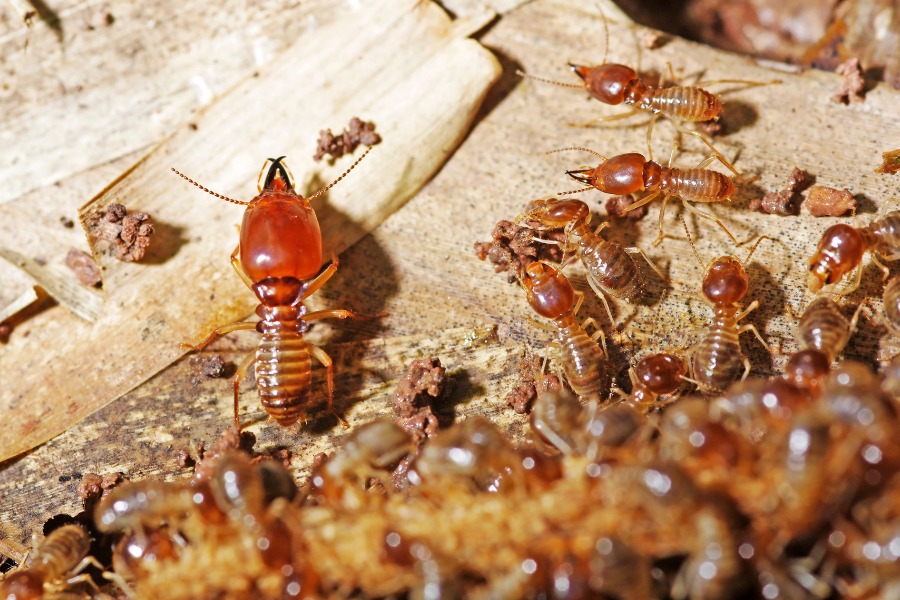
Different termite species behave in different ways. Subterranean termites live in soil and build mud tubes to access homes. Drywood termites infest dry wood and don’t require soil contact. Dampwood termites prefer high-moisture environments. Each type requires a distinct preventive approach, which is why generalized solutions often fall short.
The Importance of Professional Termite Control
Professional termite control services are designed not only to eliminate active infestations but to create barriers against future invasions. For instance, termite control services pembroke pines focus heavily on long-term protection strategies rather than short-term fixes.
Limitations of DIY Termite Solutions
DIY termite treatments often address only the visible signs of infestation. It’s similar to patching a leaking pipe without fixing the source temporary relief without real resolution. Without targeting the colony, termites can quickly re-establish themselves.
Role of Expertise in Long-Term Prevention
Professionals, including teams like EntoLogic Pest Solutions, rely on in-depth knowledge of termite biology and environmental behavior. This allows them to predict infestation patterns and implement preventive measures that are both proactive and sustainable.
Inspection: The First Step Toward Prevention
Effective termite prevention begins with a detailed inspection. Without understanding the extent of vulnerability, even the best treatments can miss the mark.
Comprehensive Property Assessments
A thorough inspection includes examining interior and exterior spaces such as crawl areas, basements, foundations, and attics. Inspectors look for subtle signs like wood damage, mud tubes, and moisture accumulation.
Identifying Entry Points and Risk Areas
Small cracks in foundations, gaps around utility lines, and areas where wood meets soil are common entry points. Identifying these weak spots early allows for targeted interventions that stop termites before they enter.
Customized Treatment Plans
No two homes face the exact same termite risk. A customized plan ensures that prevention strategies align with the specific needs of a property.
Tailoring Solutions to Infestation Severity
Light infestations may require localized treatments, while more severe cases demand comprehensive approaches involving soil treatments and baiting systems. Tailoring ensures efficiency and minimizes unnecessary interventions.
Environmental and Structural Considerations
Climate, humidity levels, building materials, and landscaping all influence termite activity. A well-designed plan considers these variables to create a more durable defense system.
Chemical Barriers and Soil Treatments
Chemical treatments remain one of the most effective ways to prevent termite entry.
How Termiticides Work
Termiticides are applied to the soil surrounding a home, forming a protective barrier. Some repel termites, while others are undetectable, allowing termites to pass through and carry the substance back to their colony.
Long-Term Effectiveness of Soil Treatments
When applied correctly, soil treatments can provide protection for several years. They act as a continuous shield, reducing the likelihood of new infestations.
Baiting Systems for Ongoing Protection
Baiting systems offer a dynamic approach to termite control, combining detection with elimination.
How Termite Baits Eliminate Colonies
Bait stations contain substances that disrupt termite growth and reproduction. Workers carry the bait back to the colony, gradually eliminating the entire population.
Monitoring and Maintenance of Bait Stations
Regular monitoring ensures that bait stations remain active and effective. Adjustments are made based on termite activity, ensuring consistent protection over time.
Structural Modifications to Prevent Infestations
Prevention isn’t only chemical it’s also structural. Making a home less attractive to termites is a powerful strategy.
Reducing Moisture and Wood Contact
Termites thrive in damp conditions. Fixing leaks, improving ventilation, and ensuring wood does not directly contact soil can significantly reduce risk.
Sealing Cracks and Entry Points
Sealing even the smallest openings prevents termites from gaining access. This simple step acts as a frontline defense against infestation.
Regular Monitoring and Follow-Ups
Consistency plays a crucial role in long-term termite prevention.
Scheduled Inspections
Routine inspections help identify new risks and ensure existing treatments remain effective.
Early Detection Benefits
Catching termite activity early reduces damage and simplifies treatment, saving both time and resources.
Preventive Education for Homeowners
Homeowners play an essential role in maintaining a termite-free environment.
Daily Habits That Reduce Risk
Simple actions like reducing indoor humidity, storing wood properly, and maintaining clean gutters can make a significant difference. Ant Pest Control also had a major inspection in this regard.
Landscaping and Yard Maintenance Tips
Proper yard maintenance, including trimming plants and ensuring proper drainage, minimizes conditions that attract termites.
Use of Advanced Technologies
Modern termite control incorporates advanced tools to improve detection and prevention.
Infrared and Moisture Detection Tools
These technologies help identify hidden termite activity without damaging structures.
Data-Driven Pest Management
By analyzing environmental data and infestation trends, professionals can anticipate risks and act before problems arise.
Eco-Friendly and Sustainable Approaches
Sustainability is becoming an important aspect of pest control.
Low-Toxicity Treatments
Modern solutions often use low-toxicity chemicals that are safer for humans and pets while still effective against termites.
Integrated Pest Management (IPM)
IPM combines chemical, biological, and structural methods to create a balanced and environmentally responsible approach.
The Role of Climate and Geography
Environmental conditions significantly influence termite behavior.
Why Certain Areas Are More Prone
Warm and humid climates provide ideal conditions for termites to thrive. This makes proactive prevention especially important in such regions.
Why Consistency Matters in Termite Control
Termite prevention is not a one-time effort it requires ongoing attention.
Long-Term Protection vs One-Time Treatment
While a single treatment may eliminate an existing colony, consistent monitoring and maintenance are necessary to prevent future infestations.
EntoLogic Pest Solutions Serving the Cooper City Community and Beyond in Pembroke Pines
EntoLogic Pest Solutions is dedicated to serving the diverse needs of the local community of Pembroke Pines, including individuals residing in neighbourhoods like Cooper City. With its convenient location near landmarks such as the University Mitsubishi and major intersections like S University Dr and SW 52nd PI (coordinates: 26.050736, -80.2524731), we offer termite control services.
Get termite control services at Cooper City Now
Call Us or Contact Us: (954) 955-3031
Navigate from Cooper City to EntoLogic Pest Solutions Now
Preventing termite infestations requires a comprehensive and layered approach. From detailed inspections and customized treatment plans to structural improvements and ongoing monitoring, every step plays a role in long-term protection. Informational strategies used in termite control services in pembroke pines highlight the importance of proactive care rather than reactive solutions. With the expertise of professionals like EntoLogic Pest Solutions, homeowners can better understand how to safeguard their properties against future infestations through consistent, informed practices.
How Do Termite Control Services Prevent Future Infestations in Homes?
The Growing Threat and Industry Response
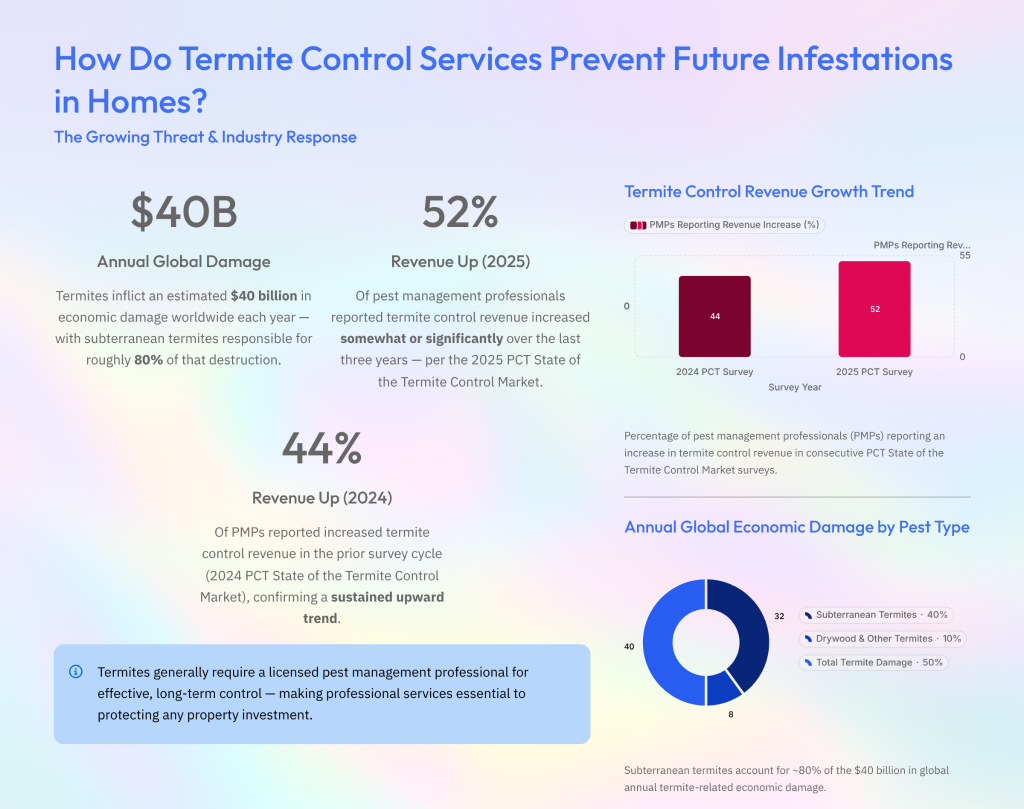
- Global Economic Impact: Termites cause an estimated $40 billion in economic damage annually, with subterranean termites accounting for about 80% of this impact.
- [Chart: A bar graph showing the global economic impact of termites, with a prominent bar for $40 billion.]
- Revenue Growth in Termite Control: Despite housing market fluctuations, the termite control market is experiencing significant growth.
- 52% of pest management professionals (PMPs) reported that termite control revenue increased somewhat or significantly over the last three years (2025 PCT State of the Termite Control Market).
- 44% of PMPs reported an increase in revenue from termite control services in the past three years (2024 PCT State of the Termite Control Market).
- [Chart: A line graph showing an upward trend in termite control revenue, with markers at 52% and 44% for recent years.]
- Professional Control is Key: Termites generally require a pest management professional for effective control, highlighting the essential role of these services in preventing future infestations and protecting property investments.
Sources: giecdn.blob.core.windows.net, edis.ifas.ufl.edu
FAQs
1. How often should a home be inspected for termites?
Homes should typically be inspected once a year, though high-risk areas may benefit from more frequent checks.
2. Can termites return after treatment?
Yes, without proper preventive measures and monitoring, termites can return even after treatment.
3. Are termite bait systems safe for households?
Most bait systems are designed to be secure and low-risk, making them safe for use around families and pets.
4. What conditions attract termites the most?
Moisture, wood-to-soil contact, and untreated wooden structures are primary attractants.
5. How long do termite prevention treatments last?
Depending on the method, treatments can last several years, especially when combined with regular maintenance.
One reply on “How Do Termite Control Services Prevent Future Infestations in Homes?”
[…] and advanced detection tools to preventive treatments and structural improvements, a professional termite control service provides comprehensive protection. With the right expertise and consistent maintenance, wooden […]